A Gifted Child at School. Now What? – Practical Decision Guide
€ 29.50 excl. VAT
€ 35.70 incl. VAT
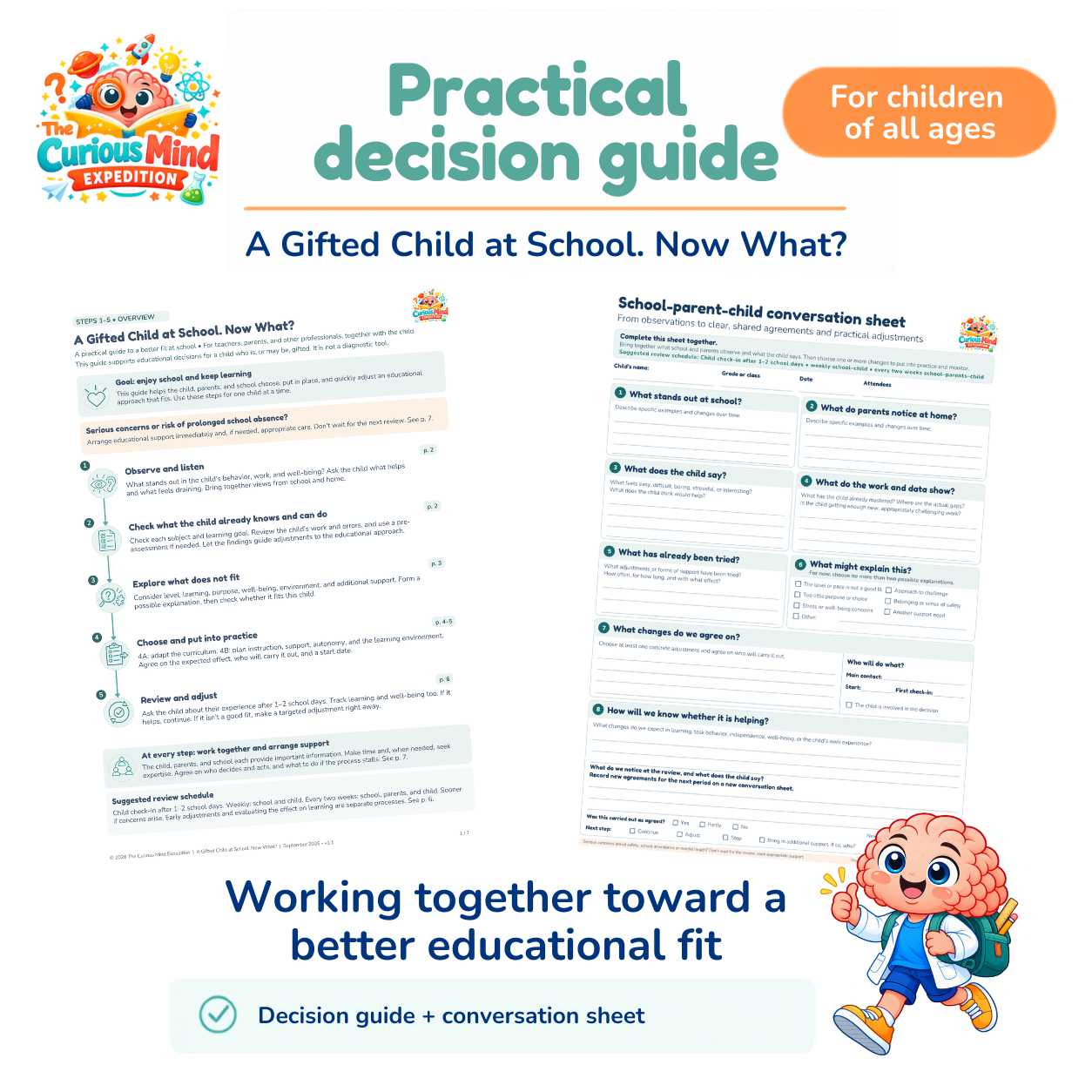
Is a gifted child struggling at school, and is it unclear what needs to change? This practical decision guide helps parents, teachers, and other professionals work with the child to explore where school is not a good fit, choose targeted adjustments, and track what works. The guide is suitable for children of all ages who are gifted or may be gifted.
This helps you work together toward an educational approach that is a better fit for the child, so they are better able to learn and feel more comfortable at school.
A practical decision guide with five steps, specific questions, key points to consider, and a conversation sheet to record agreements and review how they are working. Based on current research, with sources included.
This edition may be used indefinitely. For purchases by a school or practice, the license covers one location. Both resources are available for instant download.
A Gifted Child at School. Now What? – Practical Decision Guide
More guidance when making educational decisions for a gifted child
With a gifted child, it is not always immediately clear where school is not a good fit. One child may be bored or disengage, while another may appear to perform at an average level at school, adapt, or show few outward signs. Sometimes the signs are more noticeable at home, for example when a child comes home exhausted, frustrated, or tense. A child may also struggle once the work becomes challenging.
How do you explore what is going on and decide together what an appropriate next step might be?
This decision guide from The Curious Mind Expedition helps bring together information from the child, parents, and school. Together, you explore what the child needs, choose targeted adjustments, and agree on how they will be implemented and evaluated. Throughout the process, you keep both learning and well-being in focus.
The guide is designed to help you make decisions together that support both the child’s learning and well-being.
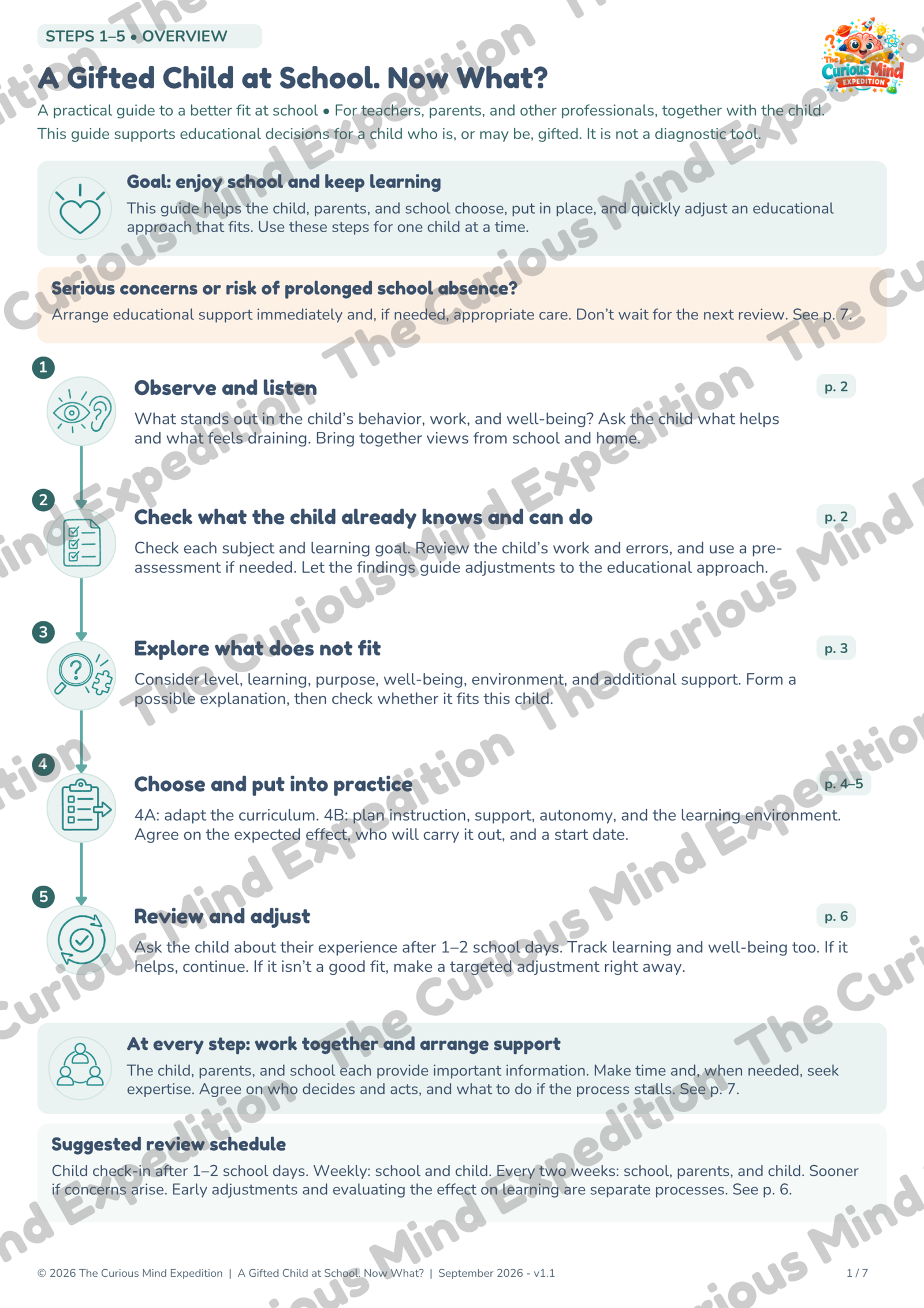
Five steps toward a better fit
- Observe and listen. Maak signalen concreet en leg de ervaringen van het kind, school en thuis naast elkaar.
- Check what the child already knows and can do. Onderzoek per vak en leerdoel welke uitleg en oefening nog nodig zijn en waar ruimte is voor nieuwe leerstof.
- Explore what does not fit. Kijk naar niveau en tempo, begeleiding, autonomie, welbevinden, de leeromgeving en eventuele aanvullende hulp.
- Choose and put into practice. Consider curriculum compacting, enrichment, and acceleration. Decide what instruction, support, and learning environment are needed, and agree on who will do what.
- Review and adjust. Track how the adjustment affects learning and well-being. Use the child’s experience, schoolwork, and observations to decide what to do next.
Working together from insight to action
What a child experiences, what parents notice at home, and what school observes may not always be the same. By bringing these perspectives together, you get a fuller picture and can more clearly explore where adjustments may be needed.
From that shared understanding, you can move toward concrete decisions and agreements. What will you change? Who will take responsibility for what? When will it start? And when will you review together how it is affecting learning and well-being?
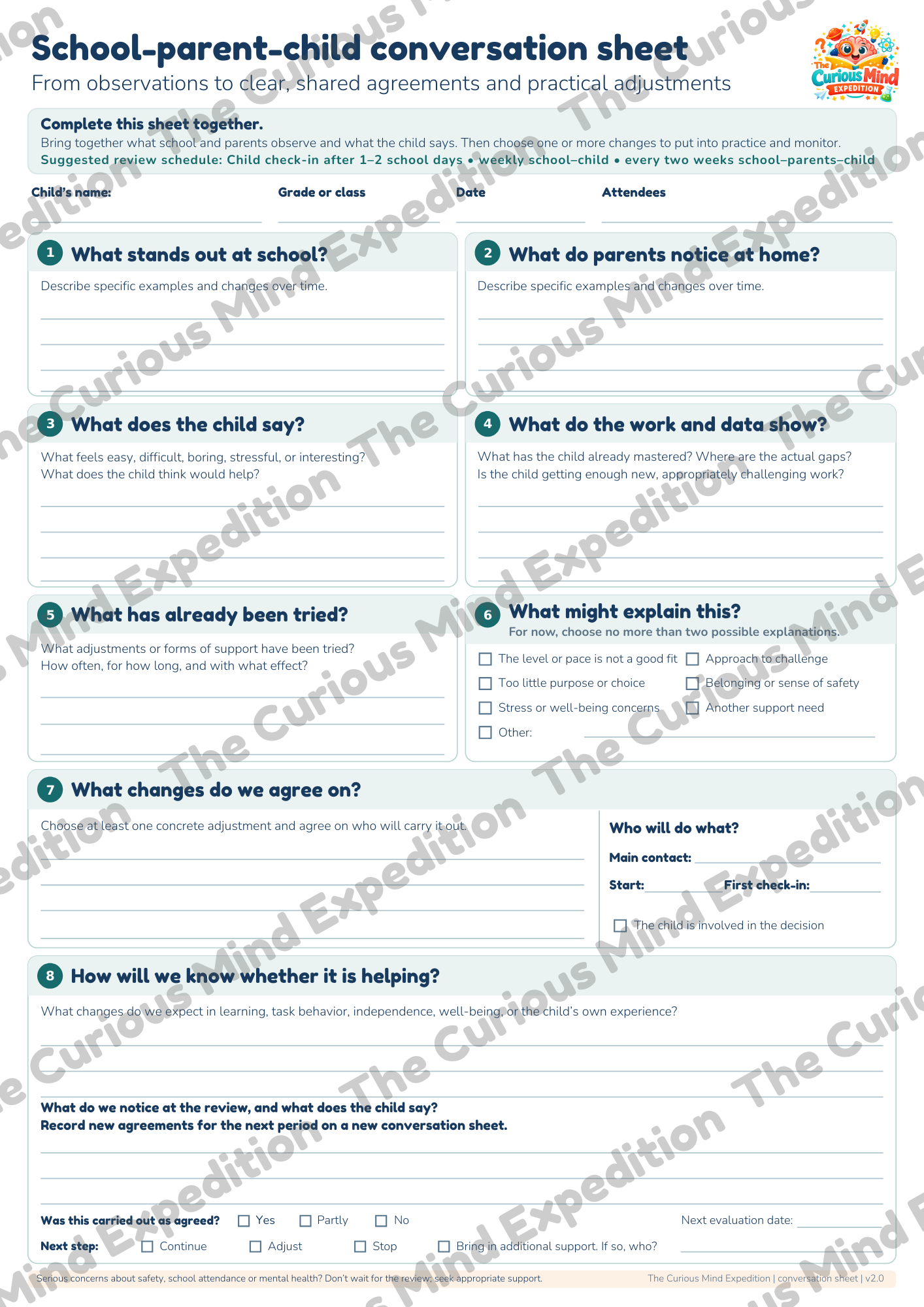
The accompanying conversation sheet helps you clearly record the most important observations, agreements, responsibilities, and review dates. This helps turn a good conversation into a clear next step.
The guide also covers support for challenging work, executive functions such as planning and persistence, well-matched learning partners, and when to involve additional support. Where relevant, the content is informed by scientific research. The sources used are included in the guide.
Who is it for?
The decision guide is suitable for children of all ages who are gifted or may be gifted and for whom there are questions about how well school is meeting their needs. This may include a child who is visibly struggling or bored, but also a child who does not stand out at school, appears to perform at an average level, or mainly shows signs at home.
Parents, teachers, student support coordinators, gifted education specialists, and other professionals involved in the education of a child who is gifted or may be gifted can use the guide.
You work through the steps with one child’s situation in mind and actively involve the child in the decisions.
This gives you a clearer framework for exploring the child’s educational needs and making educational choices that better fit the child. The guide is not intended as a diagnostic tool.
What’s included?
A compact set to help you make educational decisions together:
- Practical decision guide to bring observations together, explore educational needs, and make informed decisions.
- Conversation sheet to capture key observations, agreements, responsibilities, and planned follow-up dates.
You receive both resources as digital PDFs. You can view them digitally or print them.
Use and sharing
We want to make this practical information about educational choices for gifted children as accessible as possible, so that more children can benefit from education that better meets their needs. At the same time, we can only continue developing materials like these if they are shared responsibly. The following terms of use therefore apply:
- Parents: use the guide for your own child or children.
- Individual professionals: use the guide as often as needed with children, students, or clients you personally support. The digital file and printed copies may not be shared with colleagues or other professionals.
- Schools and practices: when purchased by a school or practice, the guide may be used by multiple staff members and shared internally within one location. A separate purchase is required for each additional location.
- Completed conversation sheet: may be shared with the people directly involved with the child for whom the sheet was completed.
You may continue using this edition indefinitely. See the license terms for the full terms regarding use and sharing.
Product Information
File format: PDF
Delivery: Instant download after purchase
Printing: Designed for A4 paper
Related products
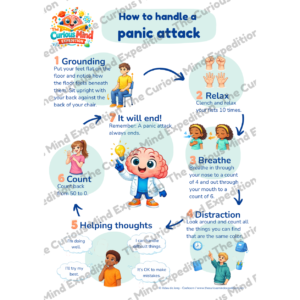
- How to handle a panic attack – A supportive poster for children to Pinterest (opens in a new window)

How to handle a panic attack – A supportive poster for children
€ 9.95 excl. VAT
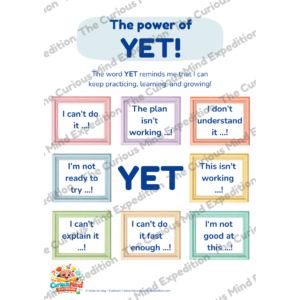
€ 12.04 incl. VAT The power of YET! – Growth mindset poster for students
€ 9.95 excl. VAT
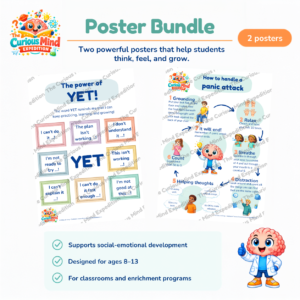
€ 12.04 incl. VAT- Poster Bundle – The power of YET! & How to handle a panic attack to Pinterest (opens in a new window)
Poster Bundle – The power of YET! & How to handle a panic attack
€ 14.95 excl. VAT
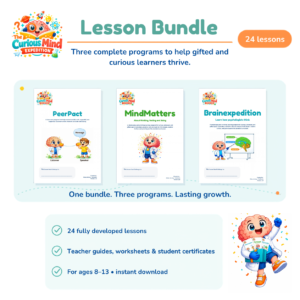
€ 18.09 incl. VAT Lesson bundle – 24 Lessons for thinking, feeling, and growing
From € 199.00 excl. VAT
From € 240.79 incl. VATSelect options This product has multiple variants. The options may be chosen on the product page