
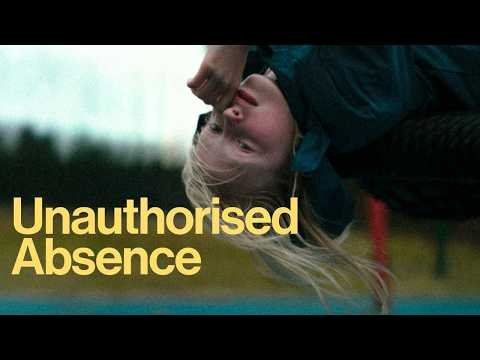
Unauthorised Absence: what if school just isn’t working?
“I don’t want to go to school.” If you hear that often, it can become harder and harder to know what to do. Do you encourage your child to go anyway? Let them stay home? Or is something going on that needs to be understood first?
The short film Unauthorised Absence follows Anna and her nine-year-old daughter, Thea. Thea experiences severe distress around school while waiting for an autism assessment. As Anna tries to get support, the school system in England mainly sees her daughter as a student who is absent. The film shows how wide the gap can become between what a child is experiencing and what the people around them see. You can learn more about the film on the filmmakers’ official page.
The film centers on autism. Still, I think many parents of gifted children will recognize the tension around school, the daily resistance, and the search for support that fits. That doesn’t mean autism and giftedness are the same, or that the causes of school-related distress are the same. For me, the point of recognition is the question underneath: What is a child trying to communicate when they say they don’t want to go to school?
School feels like a prison where boredom is mandatory
My own children regularly say they don’t want to go to school. Sometimes they describe it as a prison for kids, where you’re forced to be bored. That may sound extreme. But when a child has to adapt day after day to an education that doesn’t fit, school can start to feel like a place where they’re expected simply to endure. The work may not be challenging enough, the repetition or sensory input may feel overwhelming, or the school day may simply take more energy than the child has to give.The words “I don’t want to go to school” don’t tell us exactly what’s going on. But when a child keeps saying them, they are worth listening to. They tell us something about how that child experiences the school day and what may feel difficult, mismatched, or overwhelming.
Home and school may see different sides of a child
A child may not seem the same in every setting. At school, they may participate, stay quiet, or try to fit in. At home, they may describe the day as boring or hard, or show stress that wasn’t visible at school. Sometimes school notices things that are barely visible at home; sometimes parents notice things at home that don’t show up at school. These observations don’t necessarily contradict each other. They may show that a child feels and acts differently in different settings. Parents and school both have valuable information. When they compare what they’ve observed, they can build a more complete picture. That’s why it matters to keep talking with the school. The goal isn’t to decide who is right; it’s to explore together what may be going on. When does the child feel comfortable? When does the stress build? Which parts of the day take the most energy, and when is it easier for the child to participate?
The pressure parents face
As a parent, you want your child to have an education that supports their learning and development. At the same time, you may see what the school day is doing to them. That can leave you caught between compulsory education requirements and the daily reality of a child who says they can’t face school anymore. The film is set in England and reflects the specific system there, including fines and the threat of prosecution over unauthorized absences. That situation isn’t directly comparable to every other country. Still, the broader question resonates: Are we looking only at whether a child is attending school, or are we also trying to understand why school has become so difficult?
From observations to a shared conversation
If your child often says they don’t want to go to school, share specific observations with the school. What does your child tell you at home? What does the teacher see in class? Are there moments when things go better? Agree on something you can try and when you’ll check in to see whether it made a difference. The guide A Gifted Child at School: What Now? can help parents and schools explore a child’s educational needs and possible next steps. In my earlier post, When your gifted child doesn’t want to go to school: When should you take notice?, I look more closely at how to understand what a child may be communicating and what questions parents and schools can explore together. Perhaps a better conversation doesn’t begin with, “You have to go.” It might begin with, “What makes school hard for you?” And then: “What can we try together?”
Please note: The film is rated 12A in the UK and includes distressing scenes, threats, and depictions of self-harm.Watch only if it feels right for you. The filmmakers’ content information and the British Council film listing provide more details.