“Why Intentional Screen-Free Learning Can Be Valuable for Gifted Children”
In a world where technology continues to shape education, learning is increasingly associated with laptops, tablets, and digital classrooms. Schools are investing heavily in online learning platforms, educational apps, and digital teaching resources. Technology undoubtedly offers many benefits, but it also raises an important question: What do children miss when learning takes place primarily through a screen?
In my lesson programs, I intentionally take a different approach. Collaboration, communication, creativity, and divergent thinking are at the heart of the learning process. Not because I am against technology, but because I believe a screen should be a tool rather than automatically becoming the foundation of learning. Sometimes a video, animation, or digital resource can add real value. Then the focus shifts back to investigating, discussing, creating, and thinking together.
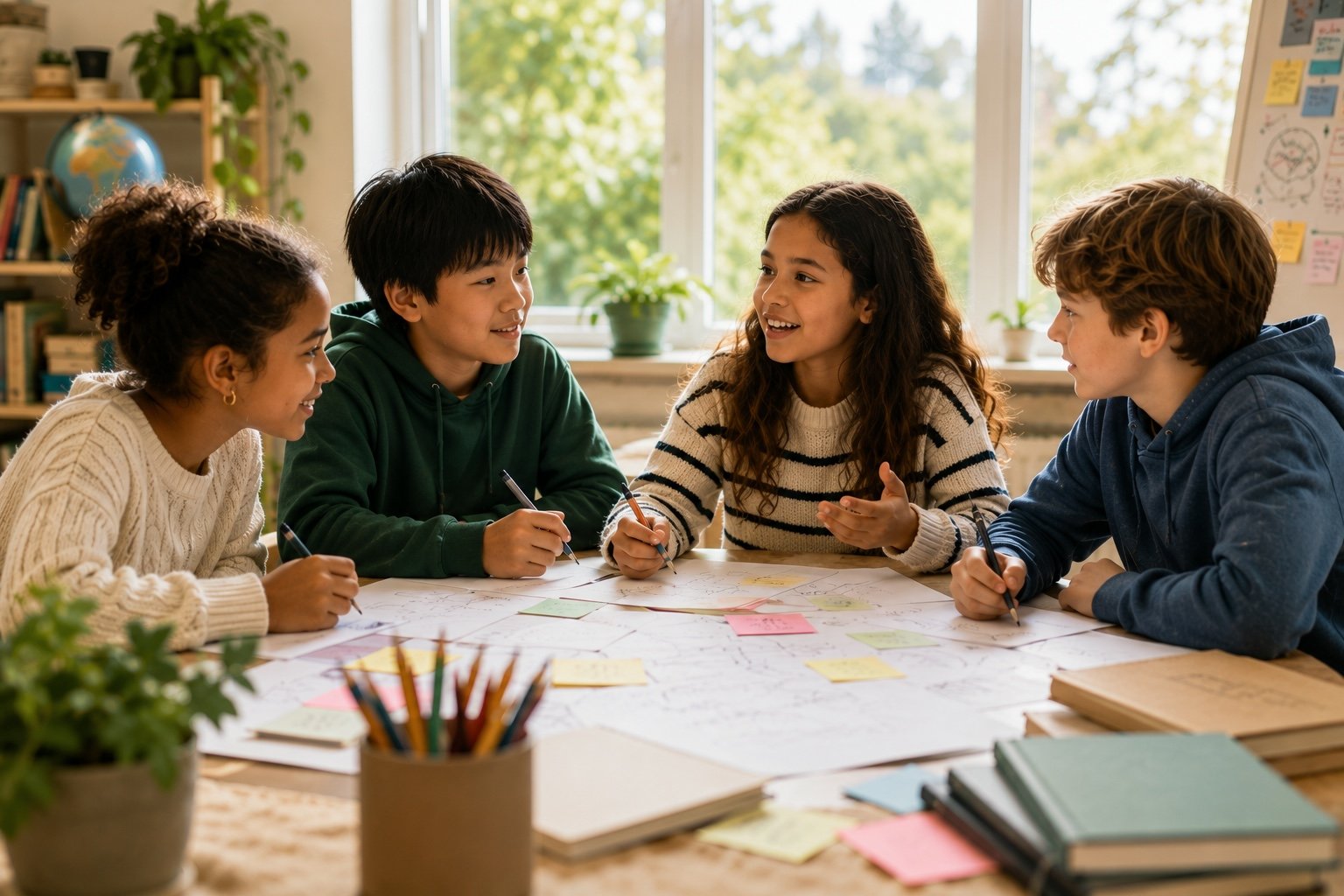
Learning is first and foremost a social experience
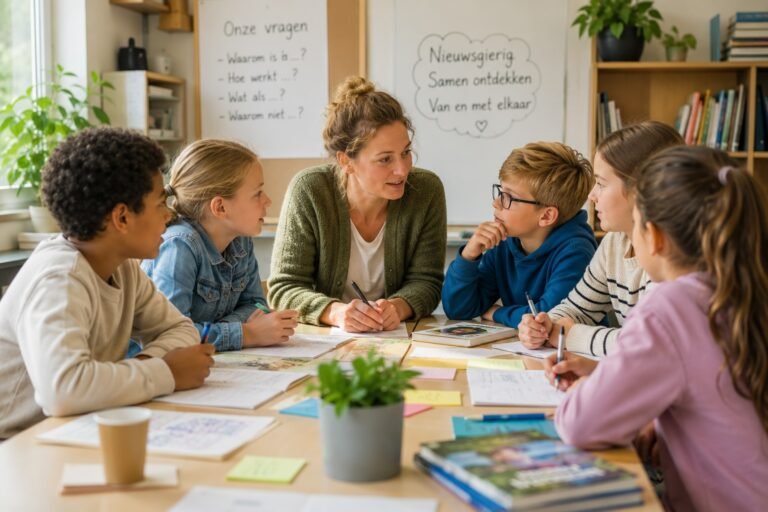
Learning is about much more than absorbing information. Children learn by interacting with others, asking questions, exchanging ideas, solving problems together and discovering different perspectives.
When children engage in meaningful conversations, they develop essential social skills. They learn to listen, communicate their ideas, collaborate, negotiate and consider other people’s perspectives. These are not skills that develop automatically. They grow through real conversations and shared experiences.
Digital tools can provide information and support interaction, but when students primarily work individually through a screen, there may be fewer opportunities for the spontaneous conversations and shared experiences that we intentionally create at The Curious Mind Expedition.
What intentional screen use can mean for gifted children
For all children, learning is about more than processing information. Gifted children are not a homogeneous group, and there is no single way in which they learn best. However, good education for cognitively advanced learners can provide opportunities for complexity, autonomy, creativity, multiple perspectives, and depth.²
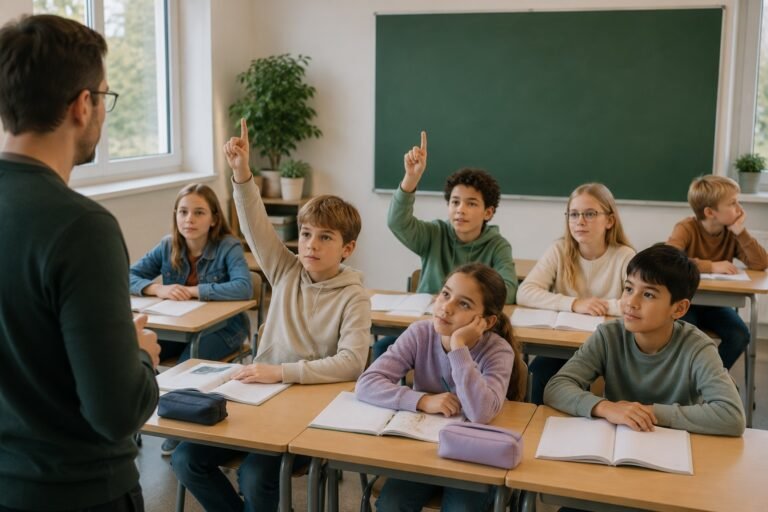
Digital tools can certainly support this. But when a program relies mainly on fixed pathways, closed questions, and predetermined answers, that space may be limited. The issue is not the screen itself, but how the learning experience is designed.
While digital systems often follow fixed pathways with predetermined answers, gifted learners thrive when they have the freedom to investigate, wonder, ask questions and develop their own ideas.
Gifted children learn from other curious minds
Gifted children are sometimes pictured as learners who prefer to work independently behind a computer. But opportunities to connect with other children who share similar interests, questions, or ways of thinking can be highly valuable for gifted learners.
By working together, children learn to listen, articulate their ideas, and engage with different ways of thinking. They are encouraged to examine their own assumptions and develop empathy for others. Conversations, collaboration, and shared inquiry can therefore support not only cognitive development, but social and emotional growth as well.
Creativity flourishes when children are given the space to explore.
It is not the screen itself that determines how much room there is for creativity. What matters most is how the learning activity is designed. Digital practice programs with fixed pathways and closed answers, for example, may leave little room for divergent thinking, but the same can be true of a traditional worksheet with one prescribed solution.¹
Creativity flourishes when children have the freedom to explore, experiment and discover that there is more than one possible solution. The focus shifts from asking, “What is the correct answer?” to asking, “What possibilities do you see?”
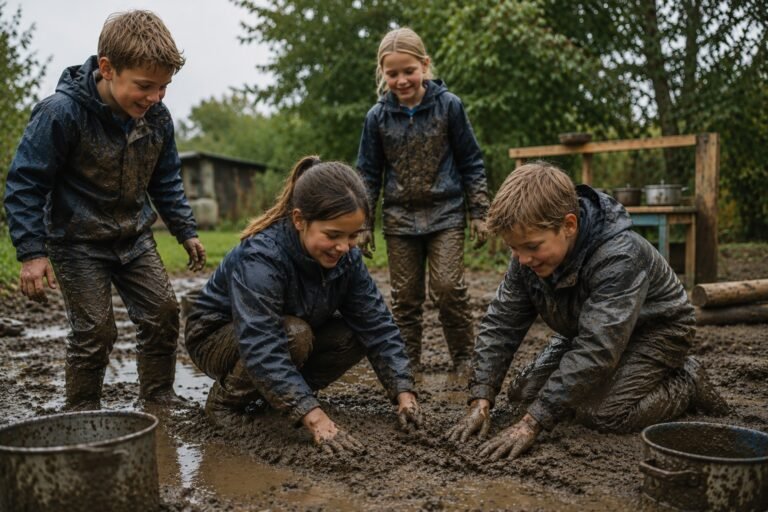
In our lesson programs, children work with stories, hands-on materials, thought-provoking challenges, and, most importantly, with one another. They are encouraged to make new connections, develop original ideas and use their imagination to explore different possibilities.
Divergent thinking: a skill for the future
Tomorrow’s world requires more than knowledge alone. Artificial intelligence and search engines can provide information faster than ever before. What truly sets people apart is the ability to generate original ideas, make meaningful connections and develop creative solutions.
This is known as divergent thinking: the ability to generate multiple ideas, perspectives, or solutions in response to a single question or problem.
What happens when we nurture this ability?
When children are given the opportunity to use and further develop their divergent thinking skills, creativity, innovation and new insights begin to flourish. That is why our lesson programs encourage curiosity over speed and value the learning process just as much as the final outcome.
Wonder cannot be programmed
Perhaps most importantly, wonder can be a powerful starting point for learning. Especially for students who enjoy thinking deeply, asking questions, and exploring complex ideas.
They want to discover, philosophize, and explore questions that do not yet have a single predetermined answer.
The most meaningful learning experiences often begin when a conversation takes an unexpected turn, when a child asks a surprising question, or when a group of children investigates a problem for which there is no instruction manual.
These moments are difficult to capture in a digital learning program. They emerge in the space between people.
At The Curious Mind Expedition, screen-free does not mean screenless
A screen can be highly valuable when it adds something meaningful to the learning experience. We might watch a short video to spark curiosity, use an animation to make a complex process visible, or look up information online as part of an investigation.
After that, the screen can fade into the background while students continue by asking questions, discussing ideas, investigating, moving, drawing, writing, or creating.
For us, the question is therefore not whether a screen is used, but what role the screen plays in the learning process.
Technology supports learning where it adds value. It does not replace human interaction and active thinking without a good reason.
What children really need
Children need knowledge, but they also need imagination.
They need information, but they also need wisdom.
They need technology, but above all, they need real experiences.
That is why our lesson programs are intentionally designed to be screen-free at their core: not screenless, but designed so that technology remains a supporting tool in the learning process. Not because we want to return to the past, but because we are looking ahead to the skills children will need in the future: creativity, critical thinking, collaboration, communication, and the ability to see new possibilities.
These are skills that develop through connecting with others, engaging in meaningful conversations and learning through experience.
Sometimes the most powerful learning tool is not a screen, but a group of curious children, a thought-provoking question and the freedom to discover the answer together.
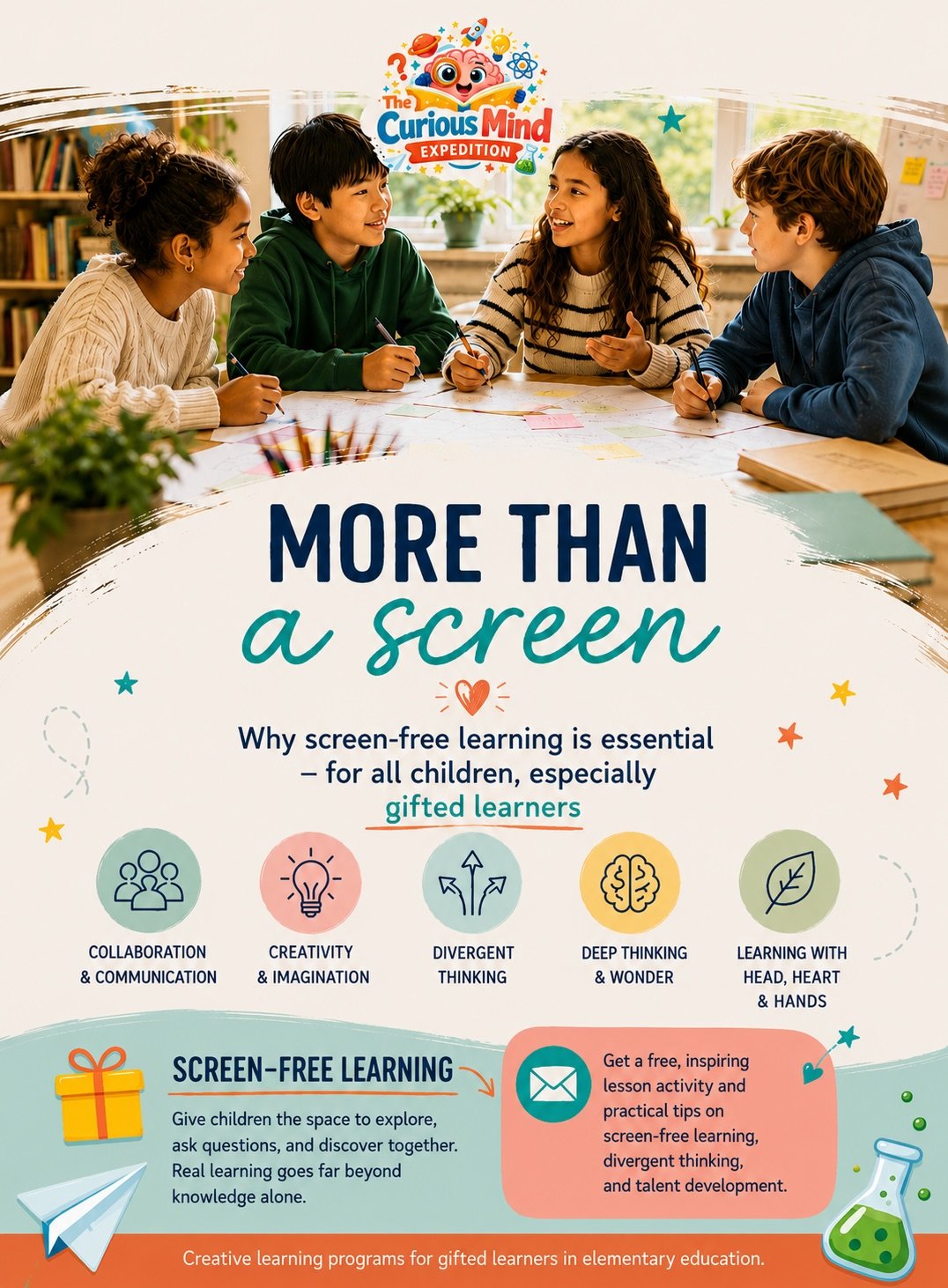
Scientific background
- Furenes, M. I., Kucirkova, N., & Bus, A. G. (2021). A Comparison of Children’s Reading on Paper Versus Screen: A Meta-Analysis. Review of Educational Research, 91(4), 483–517. DOI
- [CAAS-auteurs]. (2025). The Complexity, Autonomy, Authenticity, and Support (CAAS) Framework for Gifted Students’ Needs in Technology Education: A Systematic Literature Review. Artikel/DOI
Give children more than a screen
Are you looking for meaningful ways to encourage creativity, wonder and deep thinking?
Sign up today and receive a free screen-free lesson designed for curious and gifted learners. You’ll also receive inspiring ideas, practical teaching tips, and new insights into gifted education, inquiry-based learning, and divergent thinking.