“Why screen-free learning is essential for gifted children”
In a world where technology continues to shape education, learning is increasingly associated with laptops, tablets, and digital classrooms. Schools are investing heavily in online learning platforms, educational apps, and digital teaching resources. Technology undoubtedly offers many benefits, but it also raises an important question: What do children miss when learning takes place primarily through a screen?
In my lesson programs, I intentionally take a different approach. Collaboration, communication, creativity, inquiry-based learning and divergent thinking are at the heart of every lesson. Not because I am against technology, but because I believe healthy child development requires more than information delivered through a screen.
Learning is first and foremost a social experience
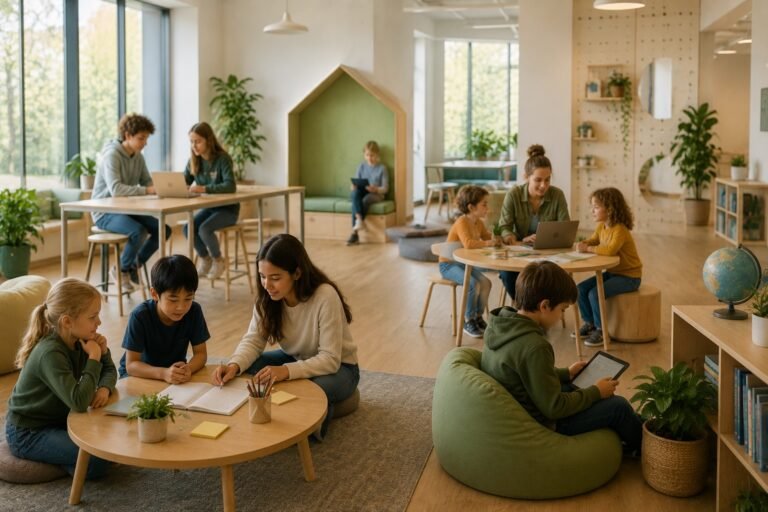
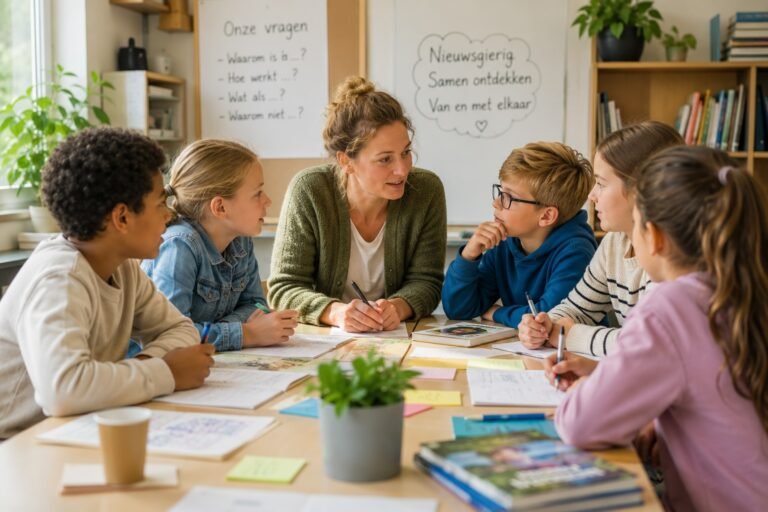
Learning is about much more than absorbing information. Children learn by interacting with others, asking questions, exchanging ideas, solving problems together and discovering different perspectives.
When children engage in meaningful conversations, they develop essential social skills. They learn to listen, communicate their ideas, collaborate, negotiate and consider other people’s perspectives. These are not skills that develop automatically. They grow through real conversations and shared experiences.
A screen can provide information, but it cannot replace the richness of a meaningful conversation.
Why screen-free learning matters even more for gifted children
For every child, learning is about more than processing information. For gifted children, this may be even more important.
Many gifted children have a strong need for depth, autonomy, creativity, and meaningful challenges. They are naturally curious, make connections with ease and often think beyond conventional ideas. That is precisely why many digital learning programs do not fully match the way they learn.
While digital systems often follow fixed pathways with predetermined answers, gifted learners thrive when they have the freedom to investigate, wonder, ask questions and develop their own ideas.
Gifted children learn from other curious minds
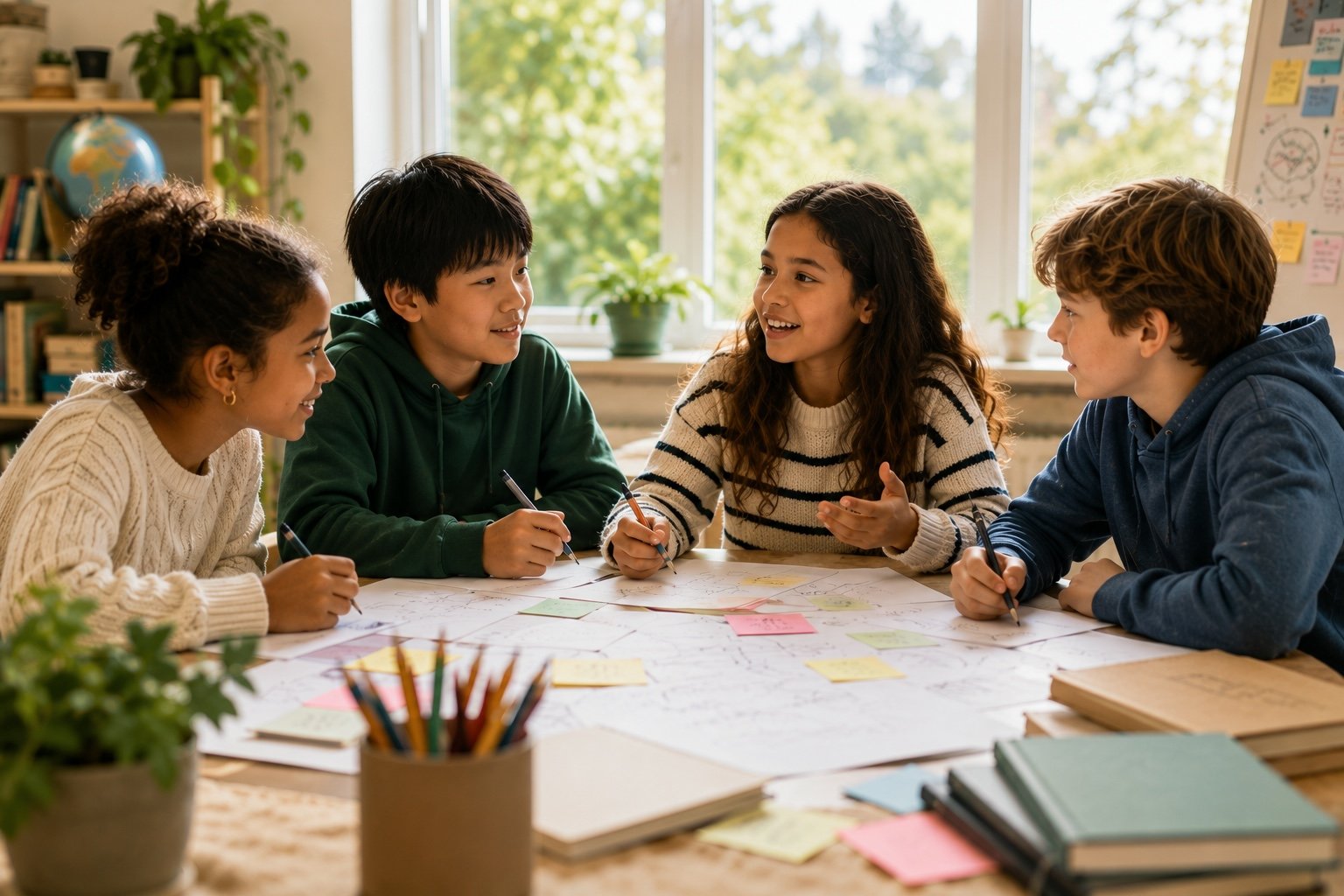
People sometimes assume that gifted children prefer working independently behind a computer. In reality, many gifted learners benefit most from connecting with like-minded peers and other curious thinkers.
By working together, they learn to listen, express their ideas and engage with different ways of thinking. It encourages them to question their own assumptions, consider new perspectives, and develop empathy for others.
Many gifted children find that their minds move quickly and that they make connections others may not immediately see. That is exactly why meaningful conversations, collaboration and shared inquiry are so valuable. They support not only cognitive development, but also social and emotional growth.
Creativity flourishes when children are given the space to explore.
Many digital learning environments are designed for efficiency. They follow structured learning paths, predefined objectives and predetermined answers. While this can be effective for practicing and reinforcing knowledge and skills but it leaves little room for creativity.
Creativity flourishes when children have the freedom to explore, experiment and discover that there is more than one possible solution. The focus shifts from asking, “What is the correct answer?” to asking, “What possibilities do you see?”
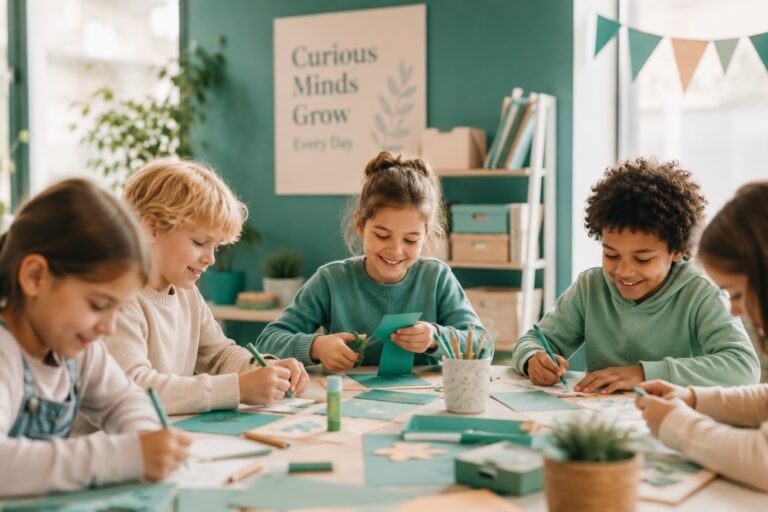
In our lesson programs, children work with stories, hands-on materials, thought-provoking challenges, and, most importantly, with one another. They are encouraged to make new connections, develop original ideas and use their imagination to explore different possibilities.
Divergent thinking: a skill for the future
Tomorrow’s world requires more than knowledge alone. Artificial intelligence and search engines can provide information faster than ever before. What truly sets people apart is the ability to generate original ideas, make meaningful connections and develop creative solutions.
This is known as divergent thinking: the ability to generate multiple ideas, perspectives, or solutions in response to a single question or problem.
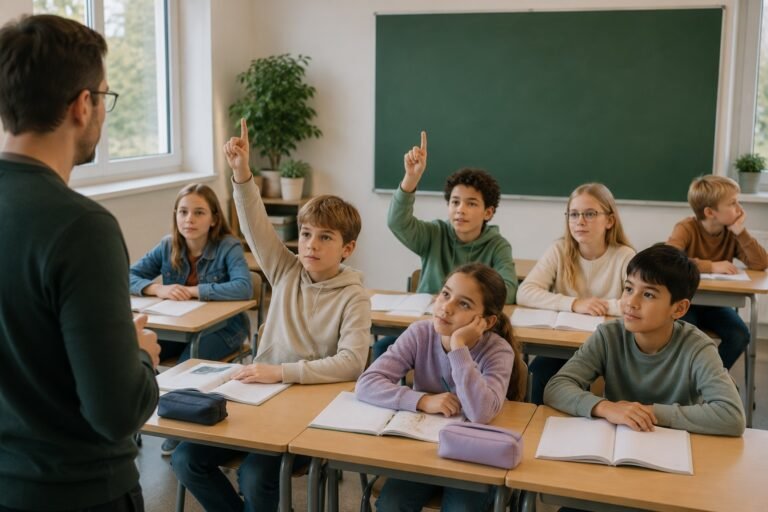
Gifted children are often naturally strong divergent thinkers. When they are presented with a question, they rarely see just one answer. Instead, they may see dozens, or even hundreds of possibilities. Yet in school, they are often taught to narrow those possibilities down to a single correct answer.
But what happens when we choose to nurture this natural strength instead?
When children are given the opportunity to use and further develop their divergent thinking skills, creativity, innovation and new insights begin to flourish. That is why our lesson programs encourage curiosity over speed and value the learning process just as much as the final outcome.
Wonder cannot be programmed
Perhaps most importantly: many gifted children have a deep need for wonder.
They want to explore, investigate, philosophize and ask questions that do not have a single predetermined answer.
The most meaningful learning experiences often begin when a conversation takes an unexpected turn, when a child asks a surprising question, or when a group of children investigates a problem for which there is no instruction manual.
These moments are difficult to capture in a digital learning program. They emerge in the space between people.
Technology as a tool, not the foundation
This does not mean that technology has no place in education. Sometimes we use a computer to look up information. Sometimes we watch a video to support a lesson or introduce a new topic.
But technology remains a tool.
The heart of learning happens between people. In conversations. Through collaboration. Through creativity. Through wonder. And through exploring questions that do not always have immediate answers together.
What children really need
Children need knowledge, but they also need imagination.
They need information, but they also need wisdom.
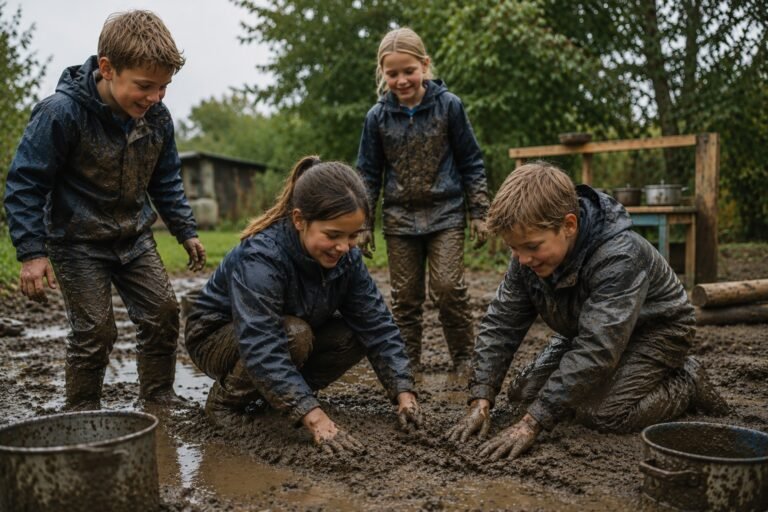
They need technology, but above all, they need real experiences.
That is why our lesson programs are intentionally designed to be largely screen-free. Not because we want to go back to the past, but because we want to prepare children for the future. We want them to develop the skills they will need in a rapidly changing world: creativity, critical thinking, collaboration, communication and the ability to see new possibilities.
These are skills that develop through connecting with others, engaging in meaningful conversations and learning through experience.
Sometimes the most powerful learning tool is not a screen, but a group of curious children, a thought-provoking question and the freedom to discover the answer together.
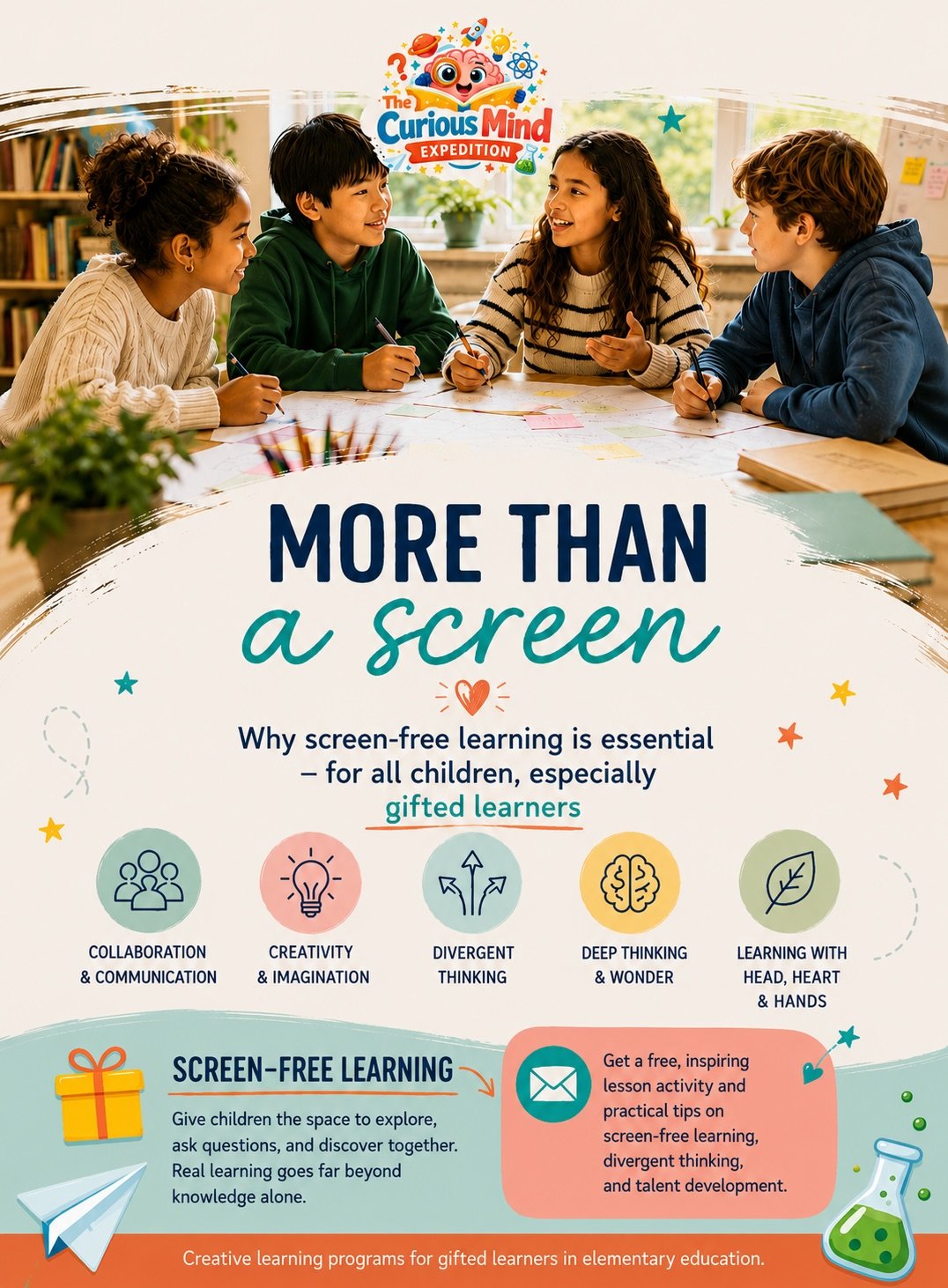
Give children more than a screen
Are you looking for meaningful ways to encourage creativity, wonder and deep thinking?
Sign up today and receive a free screen-free lesson designed for curious and gifted learners. You’ll also receive inspiring ideas, practical teaching tips, and new insights into gifted education, inquiry-based learning, and divergent thinking.