Why play-based learning is essential for gifted children
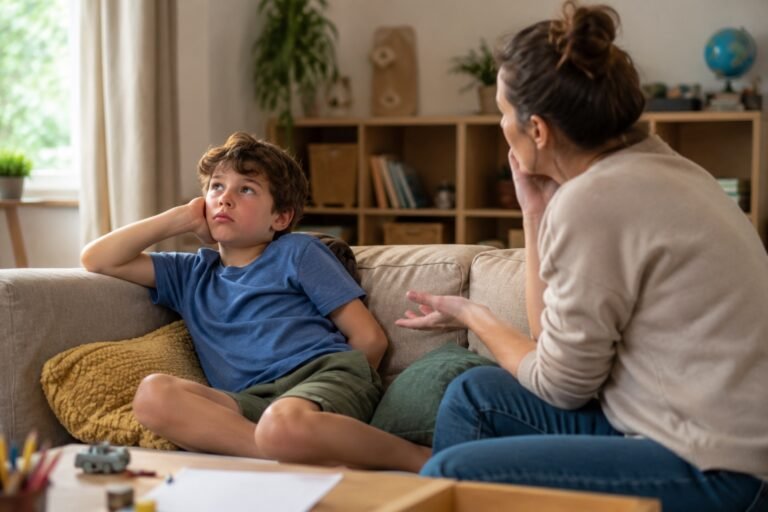
Gifted children are often seen as strong thinkers. They quickly recognise patterns, have extensive vocabularies and can solve complex problems. In many situations, they learn from an early age to rely on their cognitive abilities. Thinking becomes their strength. Their safe place. But that is also where a challenge can arise.
When children primarily learn to function from their minds, their connection with feeling, experiencing and exploring through their bodies can gradually fade into the background. Yet this connection is essential for healthy development.
That is why play-based learning, movement-based learning, sensory play and process-oriented learning are not only valuable for young children in general, but may be especially important for gifted children.
Why gifted children often live in their heads
Many gifted children spend a great deal of time thinking. They analyse situations, ask profound questions, and try to make sense of the world through logic and reasoning. These abilities are often recognised and rewarded. At school, they are praised for their knowledge, quick understanding and thoughtful answers. Over time, this can unintentionally create the idea that thinking matters more than feeling.
Some gifted children gradually become accustomed to staying in control. They want to understand before they begin. They avoid mistakes. They look for certainty. Not because they lack creativity, but because their minds are constantly active.
As a result, play, experimentation, and open-ended exploration can become less natural. Yet these are often the experiences where some of the most meaningful development takes place.
Why play-based learning is so important
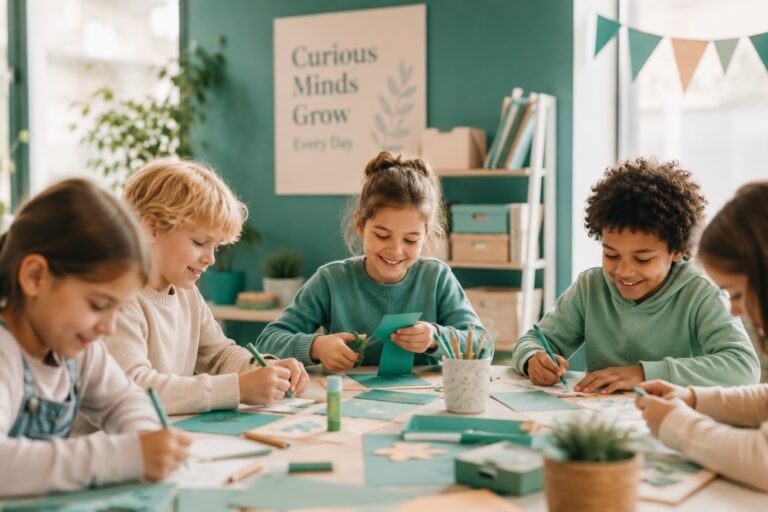
Play-based learning helps children develop not only cognitively, but also physically, emotionally and socially. During play, children do far more than think. They move, create, explore, experiment, experience emotions, and make sense of the world around them. For gifted children, these experiences can be especially valuable.
When children build, move, feel, create or experiment without a predetermined outcome, there is room for:
- creativity;
- cognitive flexibility;
- frustration tolerance;
- body awareness;
- emotional regulation;
- intrinsic motivation;
- relaxation;
- self-expression.
Play helps children reconnect with experiencing rather than constantly analysing.
Sensory play helps gifted children reconnect with their bodies
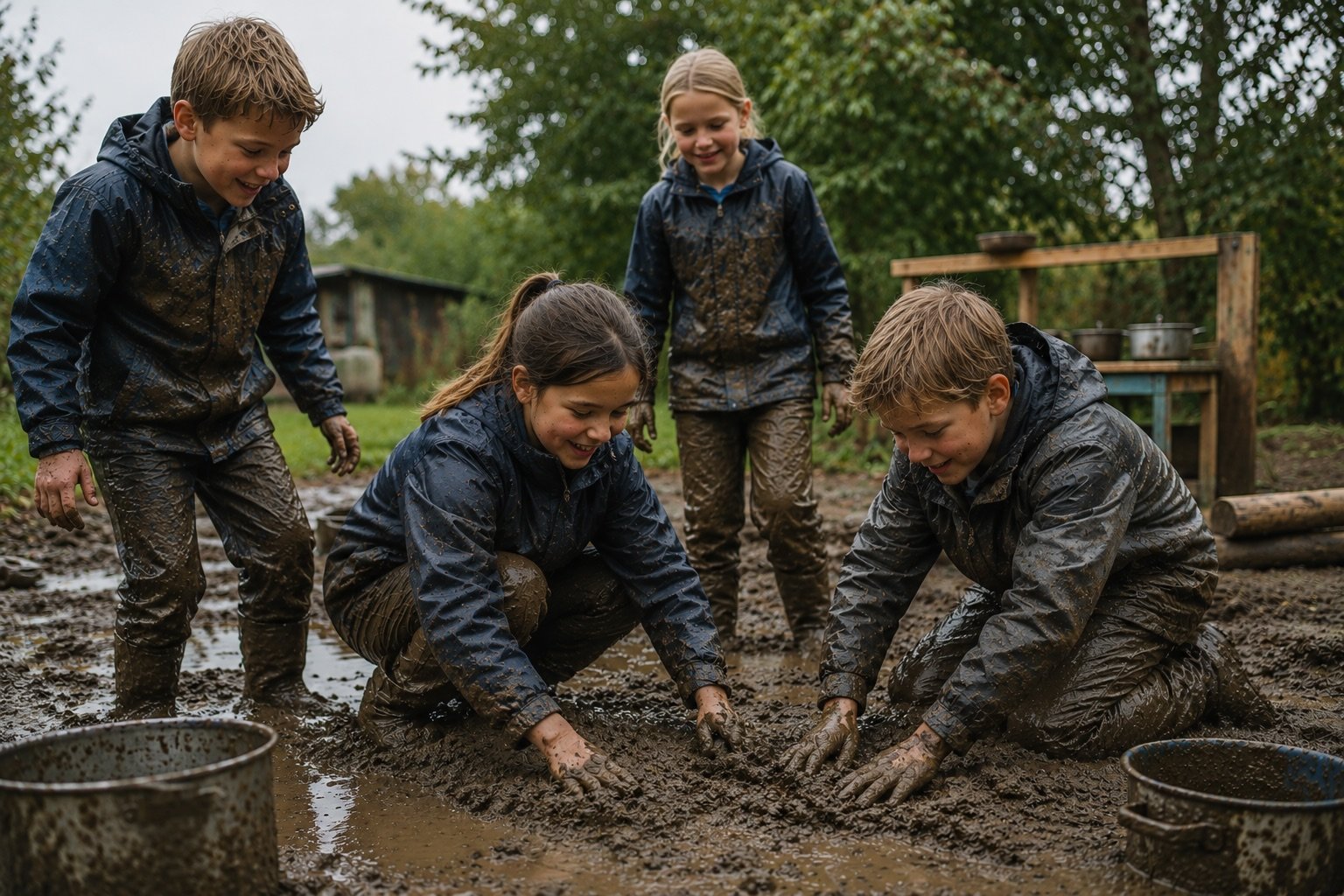
Sensory play, such as exploring sand, clay, water, paint, or other open-ended materials, is sometimes underestimated. Especially for children with strong cognitive abilities. Yet gifted children often benefit enormously from rich sensory experiences.
Sensory play naturally slows the pace. Instead of constantly thinking, children are invited to notice, touch, move, and experience. This shift helps regulate the nervous system and strengthens the connection between the mind and the body.
For some gifted children, this can initially feel uncomfortable. They are often used to performing “well”, finding the right answer, or seeing immediate results. Open-ended materials without clear instructions ask something very different. They invite children to let go of the outcome and trust the process. And that is often where meaningful growth begins.
Process-oriented learning instead of performance
Many gifted children become accustomed to succeeding with ease. From an early age, they discover that being intelligent is valued. Schools often place a strong emphasis on cognitive achievement, which can unintentionally reinforce this message. Over time, this may contribute to perfectionism.
When children become focused on finding the right answer, experimenting can start to feel risky.
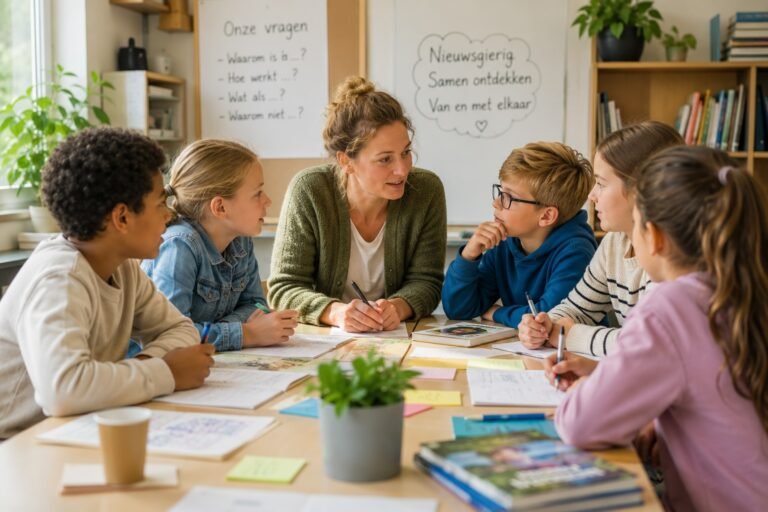
Process-oriented learning helps shift that focus. Instead of emphasizing the final outcome, it encourages children to explore, try different approaches, make adjustments and learn from the experience itself.
Questions begin to change from:
“Is this right?”
to:
“What do you notice?”
“What happens if…?”
“How does this feel?”
“Which solution would you like to try?”
These kinds of questions encourage curiosity instead of control. They help children discover that learning is not about getting everything right the first time, but about exploring, reflecting, and growing along the way.
Movement-based learning supports more than concentration
Movement-based learning is often used to help children release energy or improve their concentration. But movement offers much more than that.
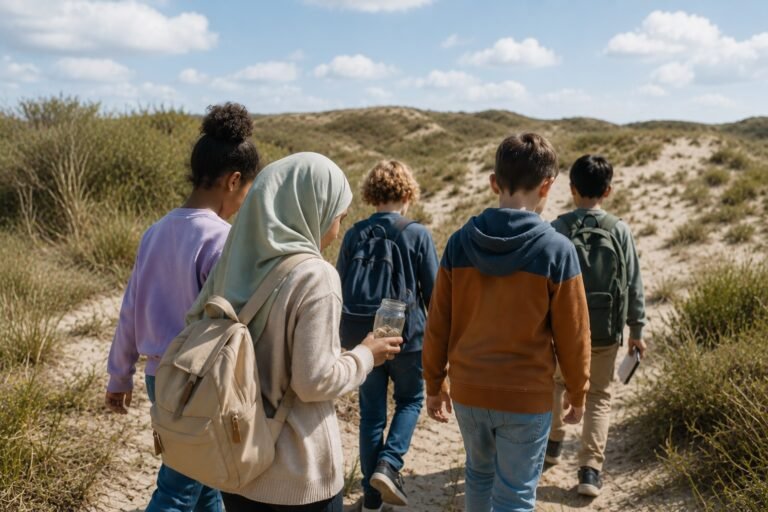
Physical movement allows children to process information through their bodies. It strengthens the connection between thinking, feeling, and doing. For gifted children who spend much of their time in their heads, learning through movement can provide an important balance.
Jumping, building, balancing, climbing or learning through movement helps children become fully engaged in the learning process. It transforms learning from something that happens only in the mind into an experience that involves the whole child.
Meeting the needs of gifted children requires more than cognitive challenge
When people think about gifted education, the focus is often on enrichment, acceleration, and academic challenge. While these are important, children do not develop through thinking alone.
Gifted children also need the freedom to explore without the pressure to perform. They need opportunities to play, create, move, and discover. These experiences support creativity, emotional development, body awareness, and, ultimately, a greater sense of well-being.
At first, this can feel uncomfortable. A child who has learned to rely primarily on thinking may need extra support to reconnect with their body, emotions, and intuition. But giving children the space to experience, rather than simply analyze, helps them develop into confident, well-rounded individuals.
Not just gifted children, but children
Education and parenting often place a strong emphasis on gifted children’s potential, achievements, and talents. But ultimately, they are not just thinking machines. They are children. Children who want to grow intellectually, but who also want to play, move, feel, explore, and discover who they are.
Perhaps the real challenge is not simply providing more difficult work, but creating the space for gifted children to simply be children again.
Lesson programs designed for gifted children
At The Curious Mind Expedition, that balance is at the heart of every lesson program. Cognitive challenge is intentionally combined with movement, creative activities, inquiry-based learning, and process-oriented experiences. This variety ensures that gifted children are engaged not only intellectually, but also through their creativity, imagination, body awareness, and personal development.
By connecting the mind, body, and creativity, children remain engaged while creating space for deeper learning. Rather than simply offering more challenging work, our lesson programs engage children on multiple levels, supporting both intellectual growth and personal development. This makes them especially well suited for gifted children who need both intellectual challenge and the freedom to learn through play, movement, and inquiry. Visit www.thecuriousmindexpedition.com to learn more about our lesson programs.